
Work has loosened its grip on routine. The familiar pattern of fixed hours, a single workplace, and predictable weeks no longer applies to a growing share of the workforce. For many roles, presence is now occasional rather than constant. Schedules shift. Locations change. Expectations adjust. These changes have quietly reshaped not only how people work, but how they think about living well alongside that work.
Housing decisions, once tied closely to a job’s postcode, are now influenced by very different questions. Is the space workable day to day? Does the setting support focus? Are costs sustainable if income changes? Flexible living has emerged as a practical answer to those questions, not as a statement, but as a response to how life now operates.
Work Is Less About Place Than Conditions
UK employment patterns show that remote and hybrid work are no longer transitional arrangements. In many sectors, they are the norm. This has reduced the pressure to live within easy reach of an office and increased the importance of things that were once secondary: reliable internet, quiet surroundings, and living costs that leave room to breathe.
As a result, proximity has lost some of its power. What matters more is whether a home supports working life rather than working against it. Adjusting location no longer has to mean starting over.
Adaptability Is Not Just a Workplace Skill
Adaptability is often framed as something demanded by employers. In reality, it has become a life skill. Living arrangements that can adjust to changing circumstances reinforce habits that modern work already requires: planning ahead, managing time independently, and responding calmly when plans change.
Careers today rarely follow a straight line. Contracts end. Roles evolve. Some people step back temporarily, others rebalance priorities later in life. Housing that can move with those changes reduces pressure at moments when stability matters most. Flexibility here is not about convenience. It is about continuity.
Financial Decisions Are Becoming More Intentional
Housing remains one of the largest and least flexible expenses most households carry. Advice from organisations such as Citizens Advice continues to highlight accommodation costs as a major source of financial strain, particularly when income becomes less predictable.
Flexible living encourages a different approach. When living arrangements are not assumed to be permanent, costs are reviewed more often, and decisions tend to be more deliberate. Spending aligns with present circumstances rather than past assumptions. This creates a form of stability that adapts instead of locking in place.
Read: Salesforce QA: Why Quality Assurance is the Silent Driver of CRM Success
The Environment Shapes More Than Comfort
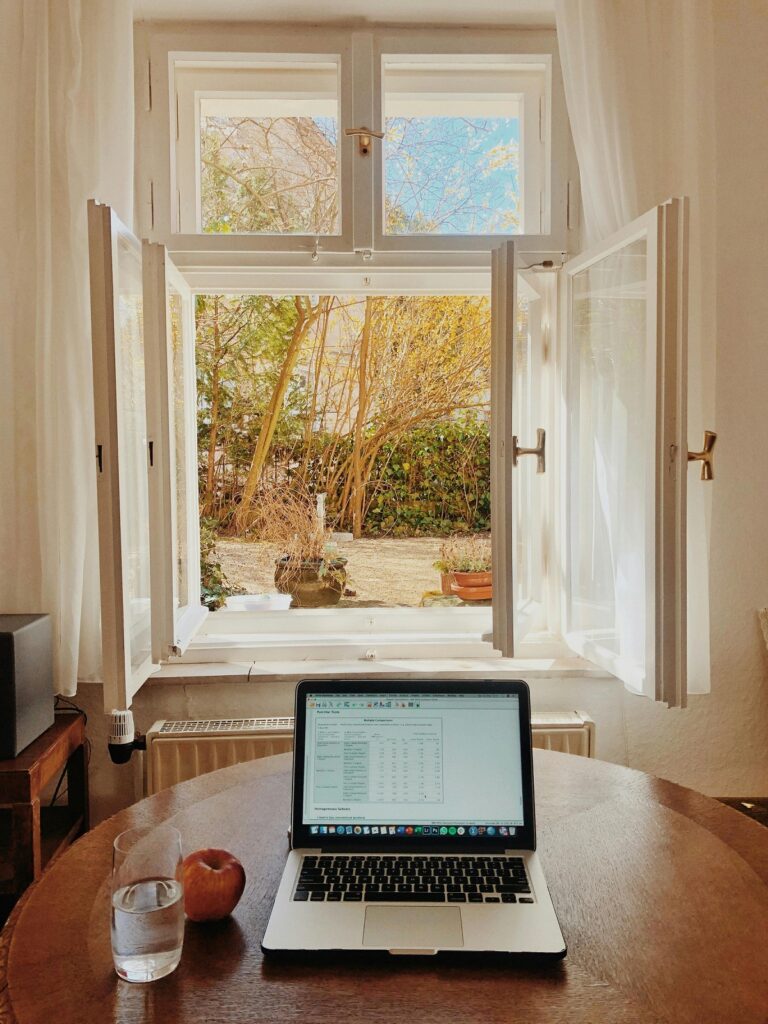
Where people live affects how they function. This is especially true when work happens at home, even part of the time. NHS guidance has long linked the environment to mental wellbeing, focus, and stress management. Noise levels, access to outdoor space, and the ability to separate work from rest all play a role.
Flexible living often places greater emphasis on these factors. Quieter locations and clearer boundaries between working hours and personal time help reduce the sense of being constantly “on.” Over time, this supports better concentration and more sustainable routines.
Broadening the Definition of Long-Term Living
Housing is increasingly viewed as something that can change alongside life rather than remain fixed for decades. This shift has widened the range of options people are willing to consider at different stages. During career transitions or later-life planning, residential caravan parks may form part of that assessment, offering stability without the weight of long-term rigidity.
These choices are rarely impulsive. They tend to be evaluated carefully, alongside cost, access to services, and the presence of a functioning community. What matters is fit, not labels.
Living with Change Rather Than Against It
Flexible living highlights a simple truth: stability does not always come from staying put. Often, it comes from having the ability to adjust without disruption. Living arrangements that allow for movement, reassessment, and change make it easier to navigate uncertainty with confidence.
As work continues to evolve, so will expectations around housing. Flexible living reflects that reality. It sits at the intersection of modern work patterns, financial awareness, and wellbeing, offering a practical framework for living in a world where change is no longer occasional, but constant.
