
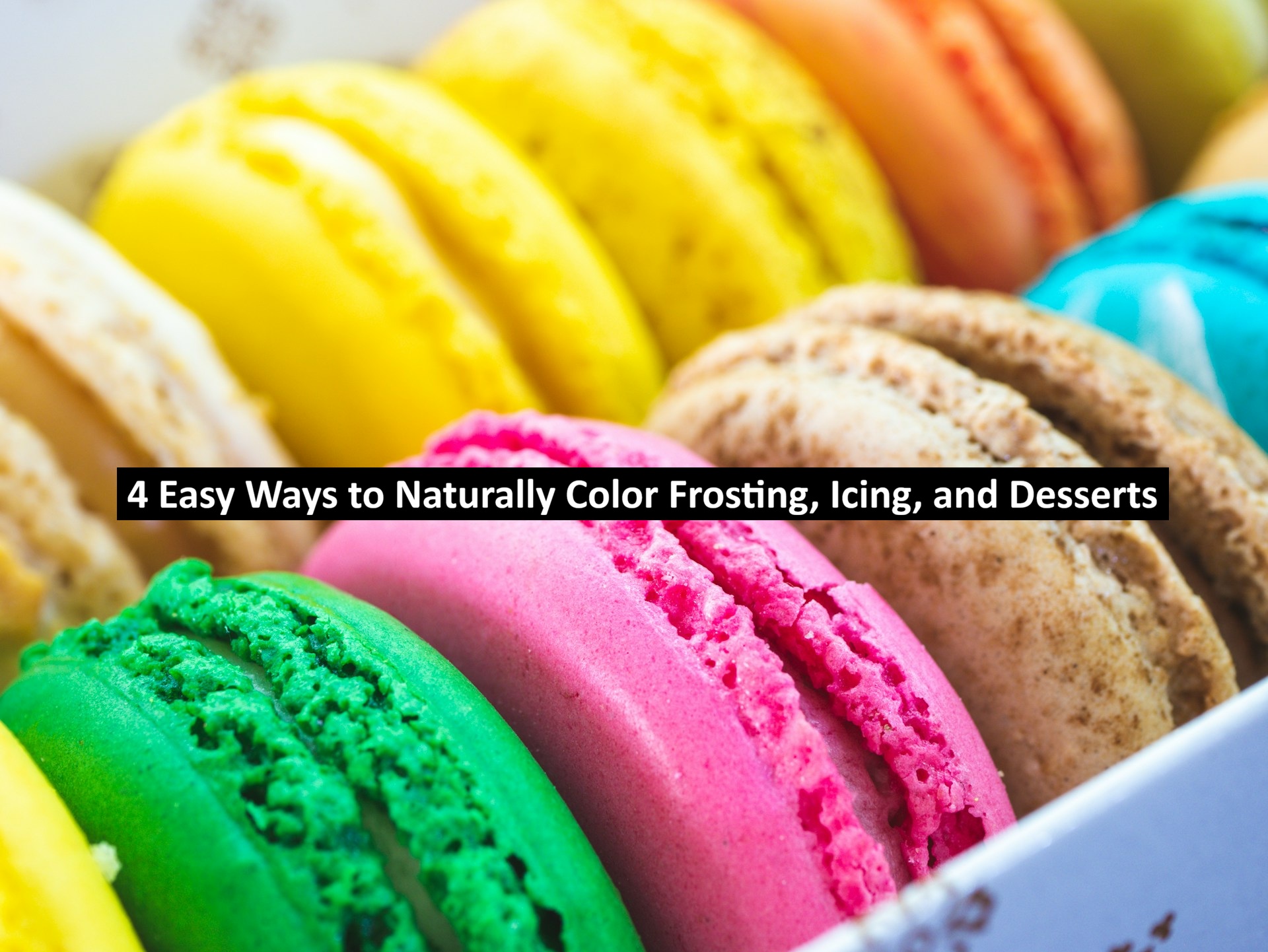
Abandoning artificial colorants doesn’t mean compromising the quality of your sweet treats! There are many plant-based ingredients that add vibrant colors to desserts, just like synthetic food dyes. Even better, many of them can simultaneously enhance flavor and texture, too.
Whether you’re looking to make healthier treats for the family or produce clean-label products that appeal to health-conscious consumers, taking the natural route is easier than ever.
Ready to add plant-based pigments to your repertoire? Here are four natural ways to color your confections.
1. Adding a Sprinkle of Freeze-Dried Fruit Powder
A dash of freeze-dried fruit powder can work wonders! The freeze-drying process removes nearly all of the fruit’s moisture, creating extremely potent flavors and colors. In fact, you might even be able to ditch artificial fruit flavors by substituting them with real, freeze-dried fruit.
As you can imagine, some fruits work better than others. For example, freeze-dried strawberries, dragon fruit, raspberries, blackberries, blueberries, and mangos are all great choices for adding colors. Look for fruits that are already vibrant in their natural form.
Read: Diamond Tiaras: From Royal Courts to Contemporary Weddings
Don’t Overlook the Health Benefits
Theresa Gentile, registered dietitian and spokesperson for the Academy of Nutrition and Dietetics, told TODAY.com that freeze-drying is “one of the best preservation methods for keeping biological material intact.”
In addition to bringing bold hues and flavors to your recipes, freeze-dried fruits are super healthy. Scientific research has shown that freeze-drying plant-based foods retains nearly all of the original nutrients and antioxidants.
Convenient and Cost-Effective
Freeze-dried fruits are famously shelf-stable, and they take up very little space in the kitchen. Because of the highly concentrated fruit density, a tiny bit goes a long way. So, you might even find that using freeze-dried fruit is a smart, economical decision that lets you spend less, too.
2. Reducing Fruit Purees and Juices
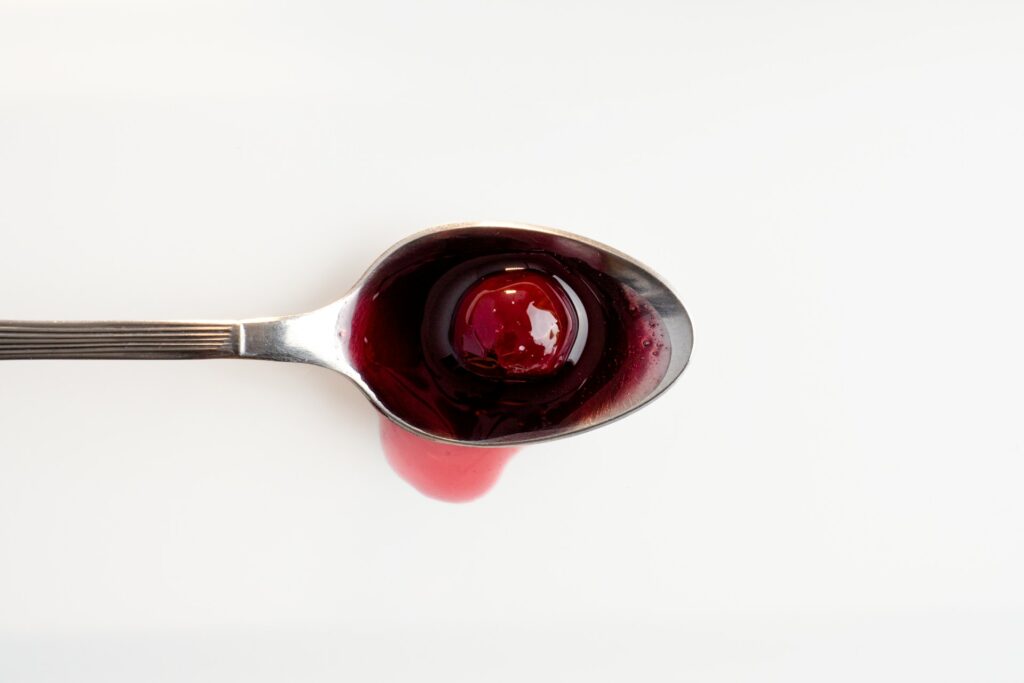
A splash of fruit puree or juice can add vivid colors to your recipes. It’s important to account for the added liquid content.
While every dessert maker has their own techniques, one common method is to simmer the liquid over low heat to reduce it into a thick, colorful syrup with highly concentrated colors and flavors.
This approach is especially popular for frostings and icings that can tolerate a little bit of extra liquid, such as glazes and cream cheese frostings. However, tweaking recipes slightly to accommodate the extra liquid should be a breeze for experienced chefs.
Just like freeze-dried fruits, choose purees and juices that already have vivid colors. When you reduce them down, the colors become amplified. Get experimental in the kitchen, and you should be able to achieve a harmonious, complementary blend of flavor and color.
3. Experiment With Spices and Herbs
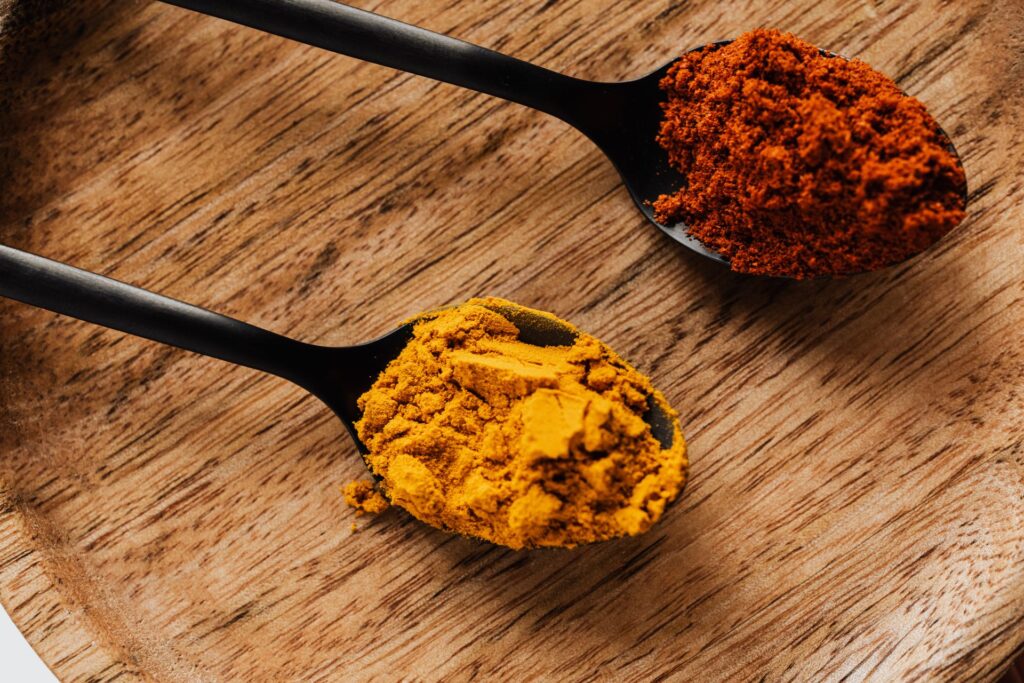
From muddled mint infused into cream to the tiniest pinch of sunny turmeric in your batter, spices and herbs aren’t only for seasoning. Many of the flavoring agents in your spice cabinet can also be used to add colors to your recipes.
When using spices and herbs as colorants, it’s important to consider their flavor profiles and quantities. Get creative! You might discover a new secret ingredient that elevates both the appearance and taste of your desserts.
Ideas to Get You Started
Here’s a quick cheat sheet to help you pick the right spices and herbs:
Green
- Matcha adds a vivid green color and subtle earthiness.
- Mint can be infused into milk or cream for a very subtle pastel green.
Yellow/Gold
- Turmeric adds a vivid yellow hue. A tiny bit goes a long way, so proceed carefully to avoid adding too much of its earthy flavor.
- Saffron produces a rich golden color. This luxurious ingredient can also add a wonderful sweet and floral flavor to your sweet treats.
Red/Pink
- Rose petals can be used to add a soft, light version of their respective colors to the dessert, as well as subtle floral flavor notes.
- Hibiscus flowers (dried and powdered) can produce a deep pinkish-red color.
Brown
- Cinnamon can be used to add a reddish-brown color and its signature spicy taste.
- Cloves can produce a deeper brown color and a warm, woody bite.
4. Play With Other Plant-Based Powders
Many fruits and vegetables can be dehydrated, powdered, and used as colorants. If you don’t want to do the work yourself, you can simply buy ready-to-use powders.
Ideas to Get You Started
Try these plant-based powders:
Blue/Green
- Spirulina powder can add a beautiful blue tint to your recipes. Just be cautious of the subtle algae flavor of raw spirulina.
- Butterfly pea flower powder produces a true blue hue, and it has a neutral taste that’s easy to work with.
Red/Purple
- Beetroot powder can be used to produce a deep, rich pink, magenta, red, or purple. Be careful not to add too much, as it does have an earthy flavor.
- Red dragon fruit powder can add purplish hues and a mildly sweet, tangy taste.
Brown/Black
- Cocoa powder should be familiar to dessert makers. Lean into its coloring properties, too!
Enjoy the Journey
Playing with colors and flavors is part of the fun of making exciting culinary creations. Some of the world’s best chefs, bakers, and confectioners are famous for behaving like mad scientists in the kitchen! Enjoy experimenting with these ingredients, and feel free to try others, too.
Where to start? Owning a wide variety of bulk freeze-dried fruit gives you a palette of colors and flavors that are shelf-stable and easy to work with. In terms of flavor, fruits and desserts are a match made in heaven, so there’s very little risk of unpleasant results. Bon appétit!
